Lithium Solar Batteries For Sale
Power That Lasts. Energy You Trust. Charge Life Longer. Enduring Everyday Power. Built For Power
-
Batteries
3.6kW Sunsynk Inverter
R27 140,00Original price was: R27 140,00.R23 460,00Current price is: R23 460,00. -
Accessories
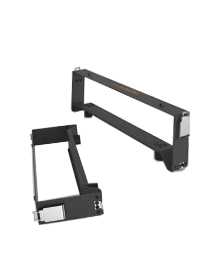
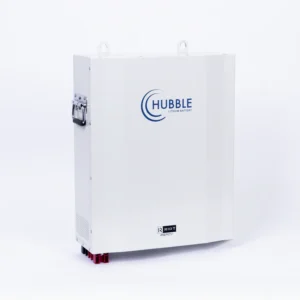
Low Voltage Solar Battery Hub
R7 153,00Original price was: R7 153,00.R5 000,00Current price is: R5 000,00. -
Batteries
Givenergy 200kWh Rack with Storage
R836 050,00Original price was: R836 050,00.R689 500,00Current price is: R689 500,00. -
Batteries
Givenergy 69kW Complete Battery Bank
R340 300,00Original price was: R340 300,00.R310 270,00Current price is: R310 270,00. -
Batteries
Greenrich AW7500 (WM5000) Battery
R14 790,00Original price was: R14 790,00.R11 200,00Current price is: R11 200,00. -
Batteries
Dyness 3.6KWH Lithium Battery
R15 722,00Original price was: R15 722,00.R11 000,00Current price is: R11 000,00. -
Batteries
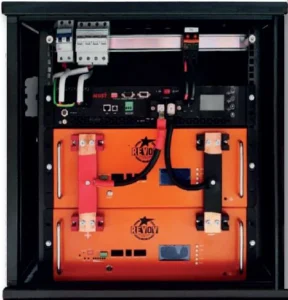
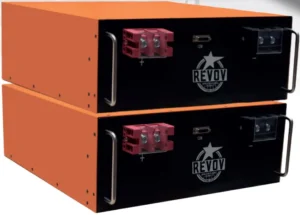
Revov 2LIFE-R9 Battery
R30 000,00Original price was: R30 000,00.R25 000,00Current price is: R25 000,00. -
Batteries
Dyness BX51100 5.12KWH Battery
R14 813,00Original price was: R14 813,00.R12 268,00Current price is: R12 268,00. -
Batteries
Volta Lithium 14.3kW Battery
R35 995,00Original price was: R35 995,00.R32 540,00Current price is: R32 540,00. -
Batteries
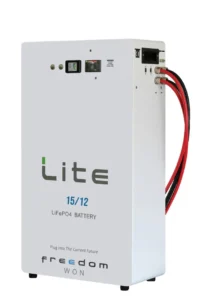
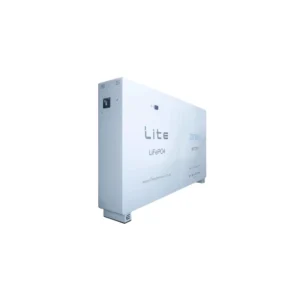
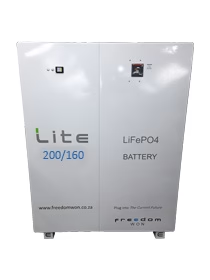
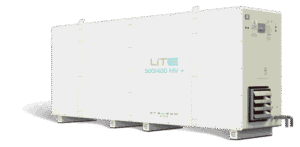
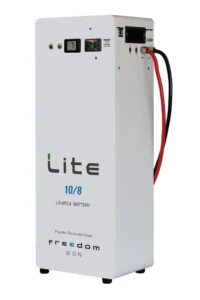
Lite Commercial 100/80 Battery
R374 035,00Original price was: R374 035,00.R321 235,00Current price is: R321 235,00.
Frequently Asked Questions
Charging a battery requires a voltage parameter of 56V-56.8V.
At least 10 years. The cycle life of the Lifepo4 batteries can generally reach 5000 times, even if it is charged and discharged once a day, it can be used for 5000÷365=13.69 years. If properly maintained, battery ages more slowly and has a longer service life.
The lithium battery is better. Whether it is cycle life, safety and environmental protection, it is better than other lithium-ion batteries. Because the battery has a high ignition point and a stable structure, it will not overheat or even catch fire like other lithium-ion batteries.
The production of electric vehicle batteries in China is becoming more and more active. Major companies such as CATL and BYD are located in China and have firmly occupied the forefront of electric vehicle battery production. In addition to these heavyweight players, CALB, Guoxuan, SUNWODA and EVE are also expanding their business in the field of electric vehicle batteries, thus providing consumers with more and more choices of electric vehicles.
China is currently the world’s largest producer of lithium batteries, accounting for nearly 60% of the available market share. Japan and South Korea are next, accounting for 40% of the global market share.
China is a major producer of lithium batteries. According to recent survey data, China has nearly 60% of the global lithium battery market share. In addition, Chinese lithium battery manufacturers are investing heavily in research and development to provide more advanced lithium battery technology.
Top 20 Li-ion battery manufacturers in China in 2022: 1. CATL 2. BYD 3. CALB 4. Guoxuan hi-tech 5. SUNWODA 6. EVE 7. SVOLT 8. Farasis 9. REPT 10. TAFEL 11. Lishen 12. BAK 13. A123 system 14. Greatpower 15. JEVE 16 . PHYLION 17. RiseSun MGL 18. DESAY 19. COSLIGHT 20. ALT
CATL, the world’s largest Chinese lithium-ion battery manufacturer, currently holds a 38% market share in the global total output, and is a real industry leader. To date, some of the most popular EV manufacturers have adopted their batteries.
Yes, in a healthy battery, ions flow freely between the cathode and anode. Batteries degrade even when you don’t use them. A fully charged lithium-ion battery will lose about 20% of its capacity after a year of normal storage.
The most straightforward way: take a battery, charge it, measure its open circuit voltage (OCV), and let it sit without any connections. Going back to the battery later, you will notice that the battery has a lower OCV, indicating that the battery is in a lower state of charge (SoC). This SOC difference is the battery self-discharge rate.
Typical Ni/Cd and Ni/MH batteries have a self-discharge rate of up to 25% per month. So NiCd batteries usually need to be charged before they can be used in the field, because lead-acid and NiCd batteries lose their charge very quickly.
Batteries generate electricity through chemical reactions inside the battery, which means that the battery’s capacity gradually decreases over time. This phenomenon is called self-discharge. Battery self-discharge cannot be completely avoided.
A short circuit can cause excessive current draw and drain the battery. Check the charging system for loose or worn alternator belts, electrical faults (loose, disconnected, or disconnected wires), or alternator failure.